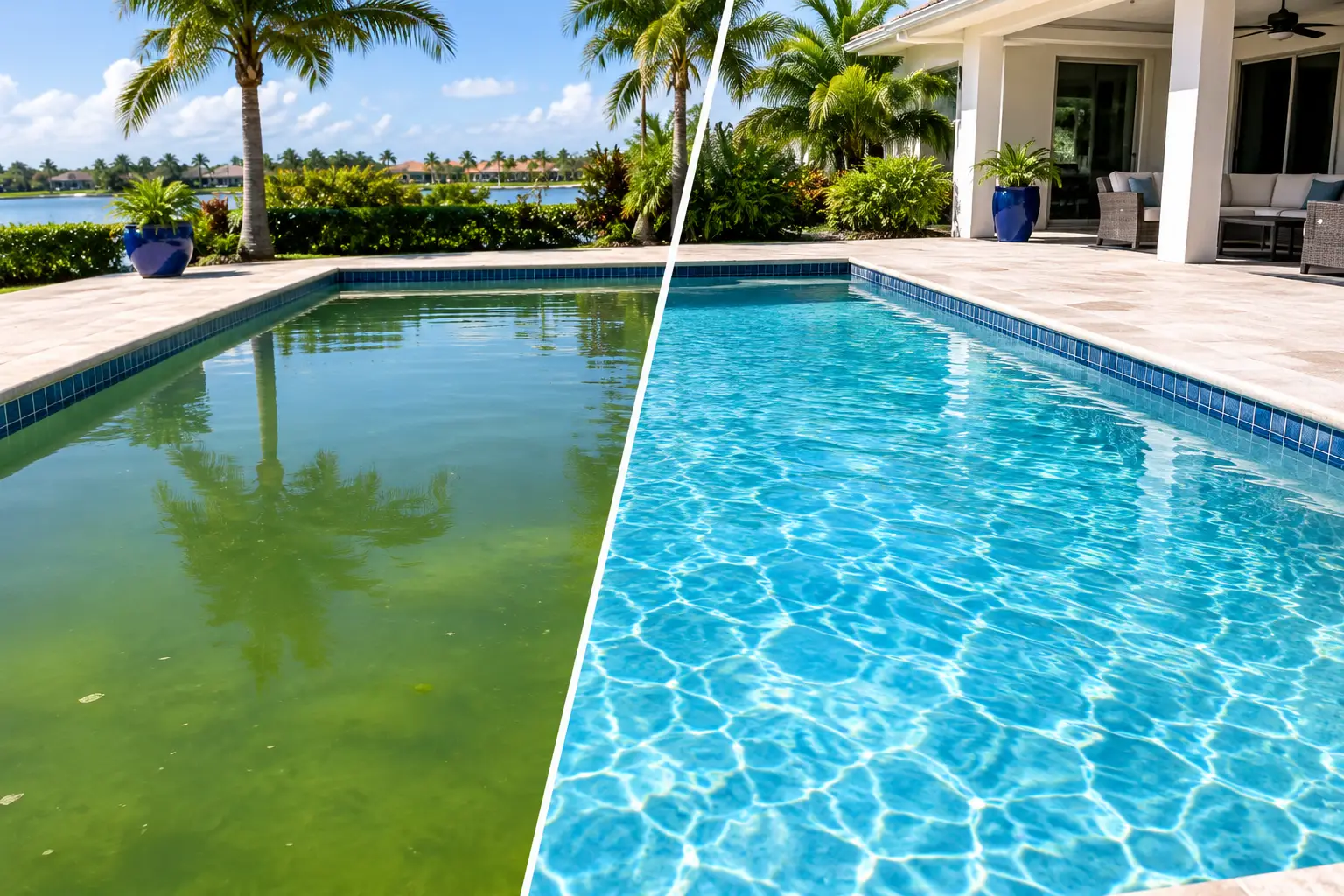
A pool can turn from blue to green surprisingly fast in Florida. A heavy rain, a missed service visit, warm water, poor circulation, or a pump issue can give algae the opening it needs. Effective green pool recovery is not simply pouring in extra chlorine and hoping for the best. It is a controlled process of identifying what changed, correcting the water, removing algae, and keeping the system working long enough for the pool to become clear and safe again.
For homeowners, the goal is not just water that looks better from the patio. It is water that is properly balanced, filtered, and less likely to turn green again next week.
Green Pool Recovery Starts With a Diagnosis
Green water usually means algae is present, but the shade and severity can tell part of the story. A light green pool may have an early algae bloom and still allow you to see the floor. Dark green, cloudy, or nearly black water often points to a larger algae load, weak sanitation, circulation trouble, or several issues happening at once.
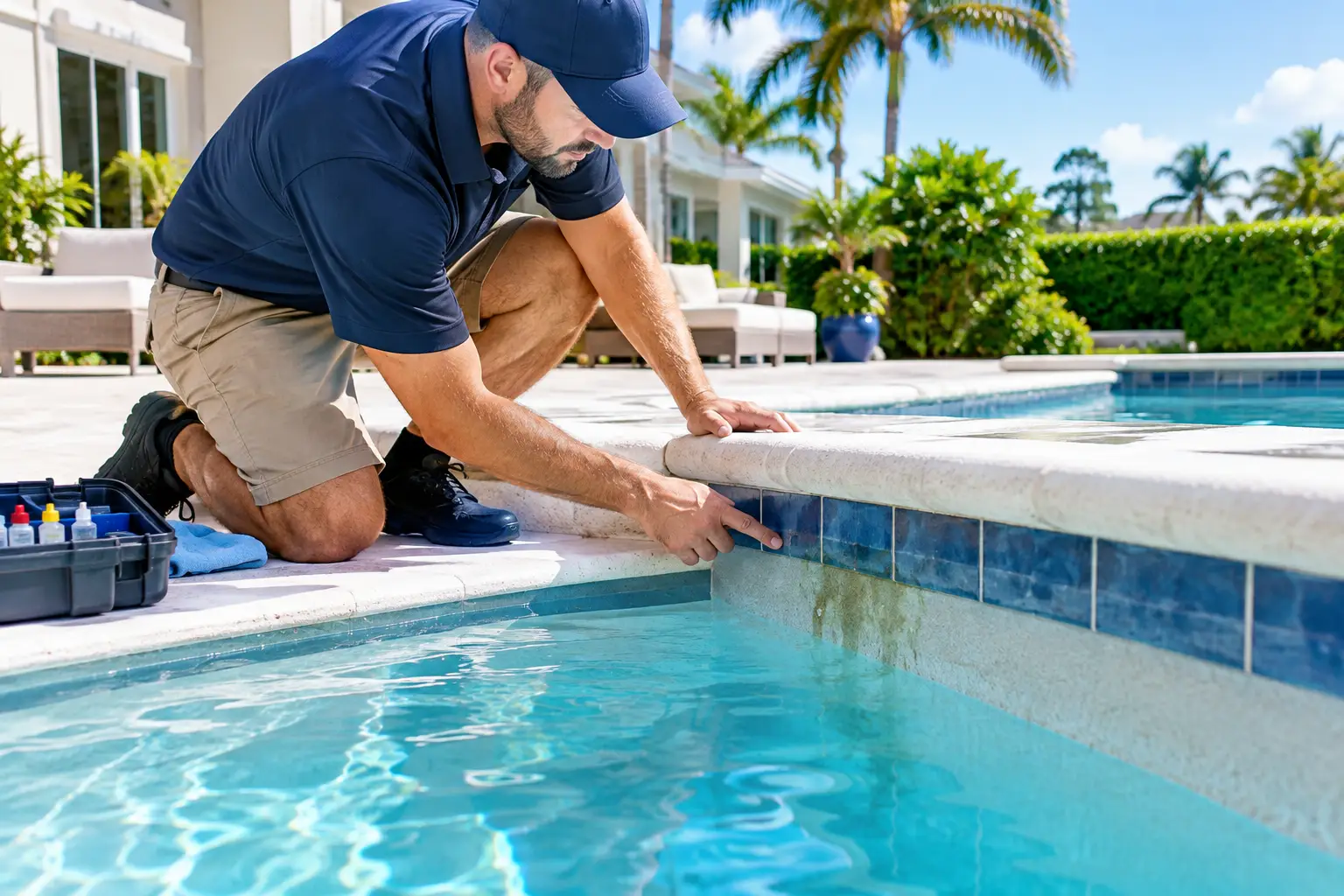
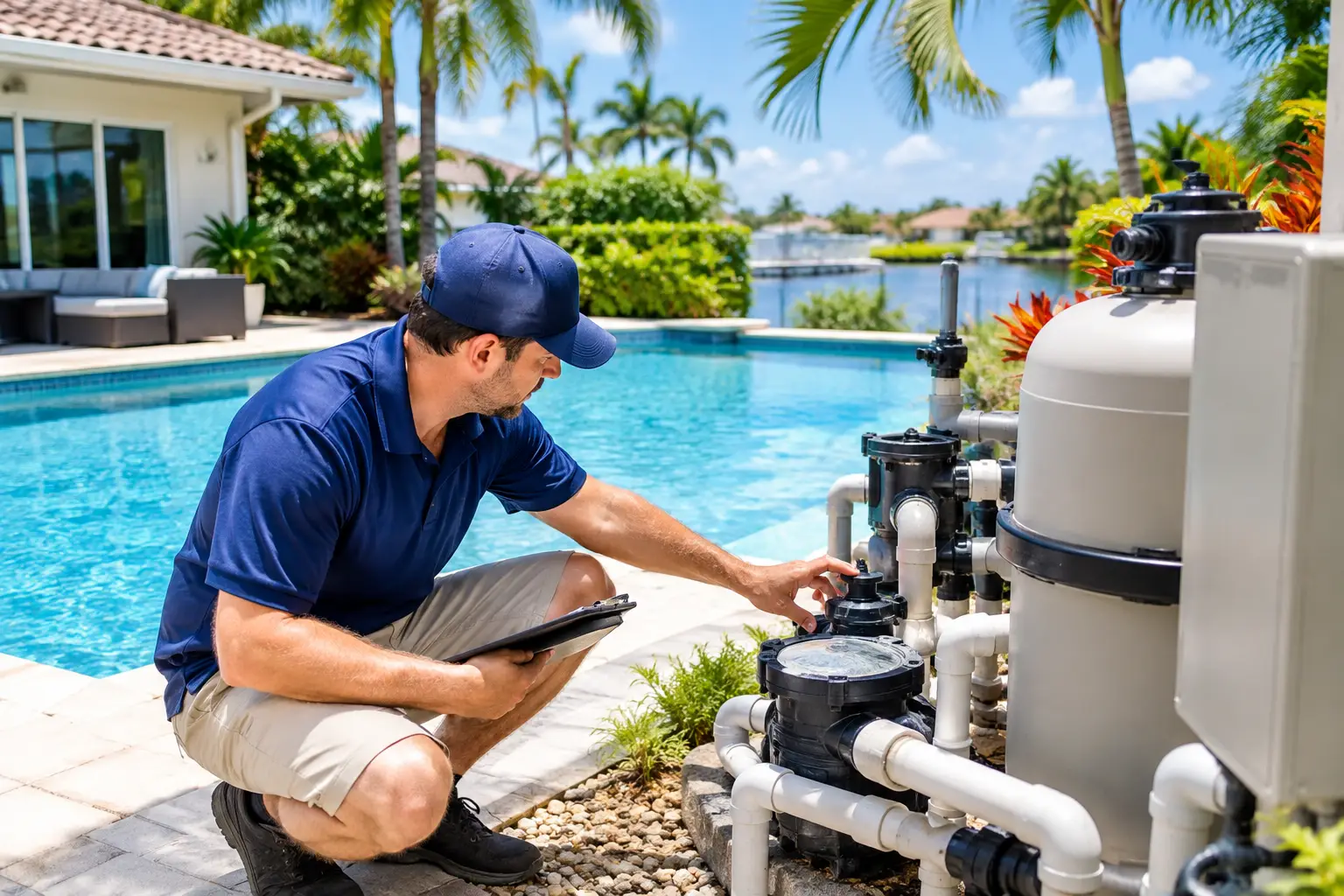
Before treatment begins, the water and equipment need a close look. A proper assessment includes chlorine levels, pH, alkalinity, stabiliser, and other water conditions that affect how well a sanitizer can do its job. The pump, filter, skimmer, returns, timer, and visible plumbing also deserve attention. If water is not circulating correctly, even well-balanced chemistry will struggle to reach every part of the pool.
This step matters because green water is a symptom, not a diagnosis. A saltwater pool can turn green if its chlorine output is too low for current conditions. A traditionally chlorinated pool can do the same after storms dilute the water or debris consumes available sanitizer. In some cases, a clogged filter, failing pump, damaged equipment, or a timer setting is the real reason recovery keeps falling short.
Why a Quick Shock Is Often Not Enough
A shock treatment can be part of the answer, but it is not a complete recovery plan. Algae attaches to walls, steps, corners, ladders, tile lines, and other surfaces. Dead algae then remains suspended in the water or settles on the floor. If it is not brushed, filtered, vacuumed, and removed, the pool may stay cloudy even after the algae has been killed.
Water chemistry also has to support the treatment. For example, sanitizer performance can be affected by pH and stabiliser levels. A professional tests the full picture before deciding how to proceed, rather than guessing from the water color alone. Adding products without knowing the starting chemistry can waste time, create an imbalance, and make the next service visit more complicated.
Filtration is equally important. During a recovery, the filter is doing the quiet, essential work of capturing fine debris and dead algae. Depending on the pool and the filter type, it may need cleaning or closer monitoring as it collects material. Poor pressure, restricted flow, or a filter that cannot keep up can turn a one- or two-day improvement into a longer process.
The trade-off is simple: fast-looking fixes are tempting, but careful recovery is more dependable. A pool should not be considered ready just because the surface looks a little bluer. Clear water, balanced chemistry, and reliable circulation all need to come together.
What a Professional Recovery Process Looks Like
The exact approach depends on the pool's condition, equipment, and water test results. Still, a thorough green pool recovery generally follows a clear sequence.
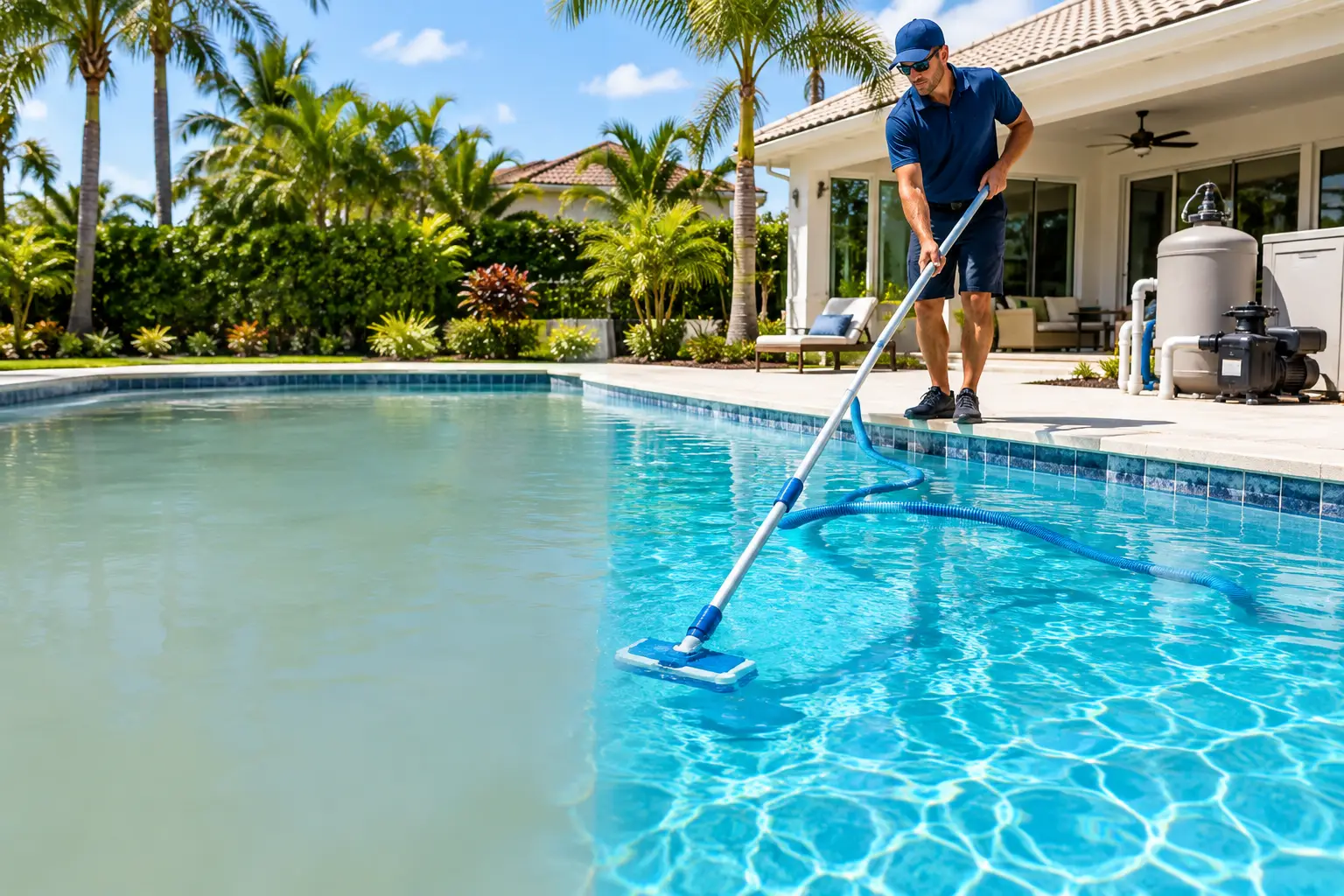
First, surface debris is removed and the pool is brushed thoroughly. Brushing breaks algae loose from the surfaces where it is growing and helps treatment circulate more effectively. Walls, steps, benches, coves, and areas behind ladders are easy to overlook, which is why detail matters.
Next, the water is tested and adjusted with the recovery plan in mind. A pool professional determines the appropriate treatment and monitors the response rather than relying on a one-size-fits-all chemical routine. This is especially valuable when water is very dark, cloudy, or out of balance.
The pump and filter then need to run as intended so treated water reaches the entire pool and particles can be captured. Vacuuming may be needed as debris settles. In severe cases, repeated brushing, filtration checks, and follow-up treatments are necessary before the water becomes truly clear.
Finally, the pool is retested. The water should be safe and properly balanced before normal swimming resumes. A clear appearance is encouraging, but it does not replace testing. Homeowners should also avoid swimming in green or cloudy water, since visibility is reduced and water quality has not yet been confirmed.
How Long Does It Take to Clear a Green Pool?
There is no honest single answer. A lightly green pool with sound equipment and good circulation may improve quickly once it receives the right treatment. A heavily contaminated pool, a pool with poor filtration, or one affected by a pump or plumbing problem can take several visits and more time to recover.
Weather plays a role, too. Warm temperatures and intense sun encourage algae growth and increase sanitizer demand. Rain can introduce debris and dilute the water. A pool surrounded by trees may need more skimming, brushing, and filter attention than one in an open yard.
The most reliable way to shorten recovery time is to address the cause early. If the pump is not moving water, the timer is not running correctly, or the filter is overdue for service, treating the water alone may only provide a temporary improvement. Equipment issues should be evaluated and repaired safely by a qualified pool professional, not worked around with extra chemicals.
Preventing the Next Green Bloom
Once a pool is blue again, consistent weekly care is what protects that result. Regular skimming, brushing, vacuuming as needed, water testing, chemical balancing, and visual equipment checks catch small changes before they become a green-pool project.
Homeowners can also help between visits by keeping large debris out of the water, emptying accessible skimmer baskets when needed, and letting their service provider know about unusual equipment sounds, weak return flow, leaks, or changes in water appearance. If a pool begins to look dull or slightly green, early action is usually easier than waiting for a full bloom.
For pools in Wellington, Westlake, Royal Palm Beach, Loxahatchee, The Acreage, Avenir, Greenacres, or The Club at Ibis, local weather and year-round pool use make consistency especially valuable. Detailed service reports and photos provide a useful record of what was done, what was observed, and whether a developing issue needs attention.
When a Green Pool Needs More Than Routine Service
Some pools need a deeper intervention. Staining, severe buildup, persistent cloudiness, damaged equipment, or water that repeatedly turns green may call for a more specialised plan. Acid washing and stain removal can be appropriate in certain circumstances, but they are not routine answers for every green pool. These services need careful assessment because they affect the pool surface and should be used only when the condition truly warrants them.
Likewise, an ageing pump, inefficient filtration, or poorly configured automation can make maintenance harder than it needs to be. A repair or upgrade may be the practical long-term solution if the equipment is preventing reliable circulation or sanitation.
A green pool is frustrating, but it is also a chance to reset the water and identify what the pool needs to stay truly clean. With attentive testing, working equipment, and follow-through after the water turns blue, your pool can return to being the easy, inviting part of home life it should be.