A pool can look clear in the morning and still be heading toward trouble by the weekend. In western Palm Beach County, intense sun, warm water, afternoon rain, windblown debris, and frequent swimming all affect the water at once. That is why pool chemistry trends are moving beyond the old idea of adding chlorine when the water starts to look questionable. The better approach is consistent testing, timely adjustment, and equipment that helps keep conditions steady between service visits.
For homeowners, the goal is not to chase every new product or gadget. It is to understand which changes make pool care safer, simpler, and more reliable - and which still need knowledgeable oversight to deliver a truly clean result.
Pool Chemistry Trends Are Moving Toward Prevention
The biggest shift in residential pool care is prevention. Modern pool chemistry is less about reacting to green water and more about keeping sanitizer, pH, alkalinity, stabilizer, calcium, and circulation in a healthy working range before small issues grow.
This matters especially in Florida. Heavy rain can dilute chemicals and introduce contaminants. Strong sunshine uses up unstabilized chlorine quickly. High water temperatures encourage algae growth and increase chlorine demand. A pool that was balanced earlier in the week may need attention after a storm, a birthday party, or several days of extreme heat.
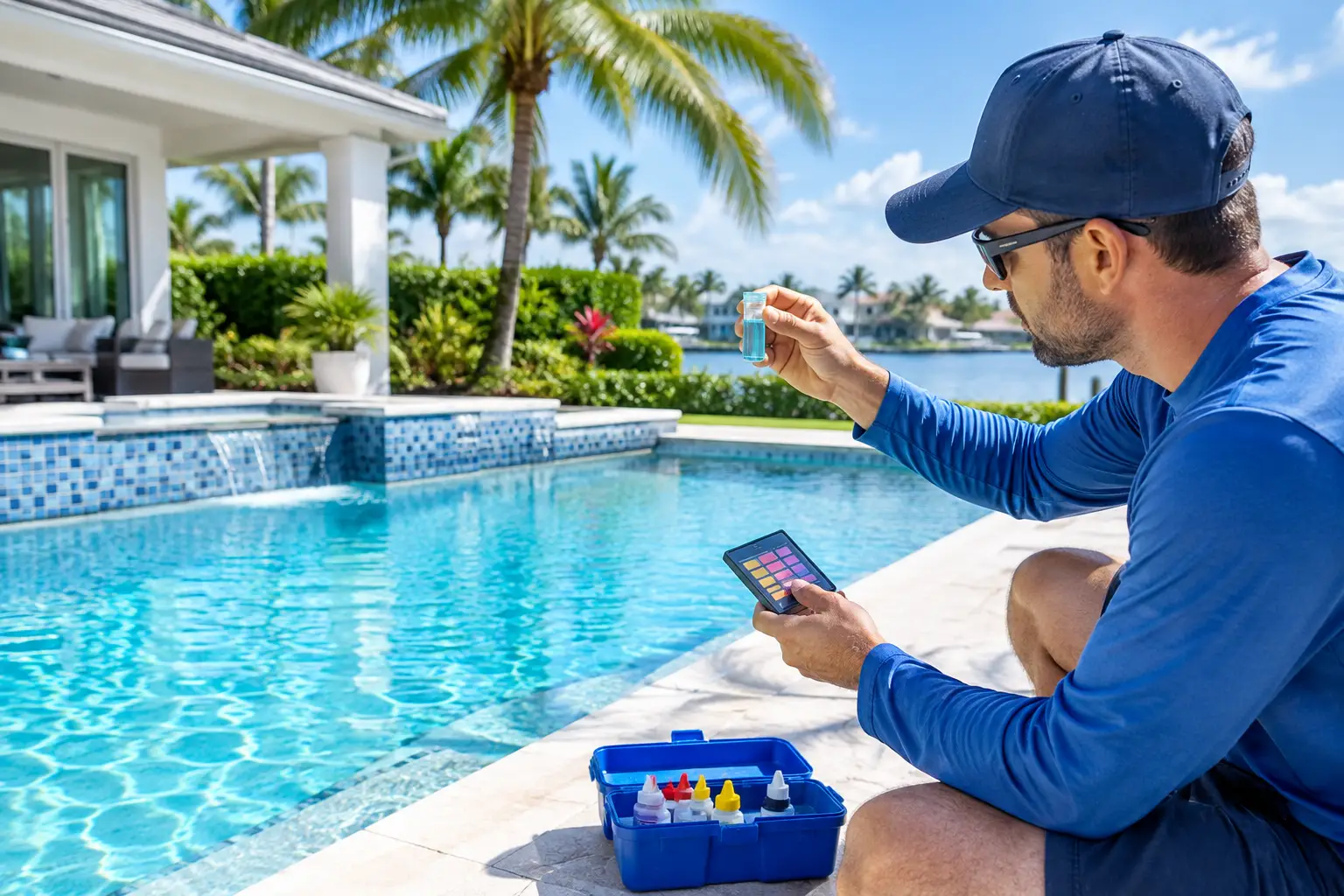
Regular testing gives a service professional a clearer picture than appearance alone. Clear water is encouraging, but it does not confirm that sanitizer is adequate or that the water is comfortable and non-corrosive. Proper balancing protects swimmers, helps prevent algae, and supports the long-term health of plaster, tile, heaters, pumps, and other equipment.
More precise testing, not more guesswork
Home test strips can be useful for a quick check, but they have limits. Current professional care increasingly relies on more precise testing and recorded results, allowing trends to be spotted over time. If pH repeatedly rises, for example, that may point to normal aeration, a saltwater chlorine generator, source water characteristics, or an equipment-related condition worth watching.
Digital service records add real value here. Instead of wondering whether the pool was treated or what changed from one visit to the next, homeowners can see the completed service and chemistry observations. That documentation is especially helpful with new pools, resurfaced pools, recurring algae concerns, or a pool that has recently received new equipment.
Saltwater Systems Remain Popular - With Real Chemistry Needs
Saltwater pools continue to be one of the most talked-about pool chemistry trends, largely because they can provide a more consistent source of chlorine. A salt chlorine generator uses dissolved salt to produce chlorine in the water, reducing the need for frequent manual chlorine additions.
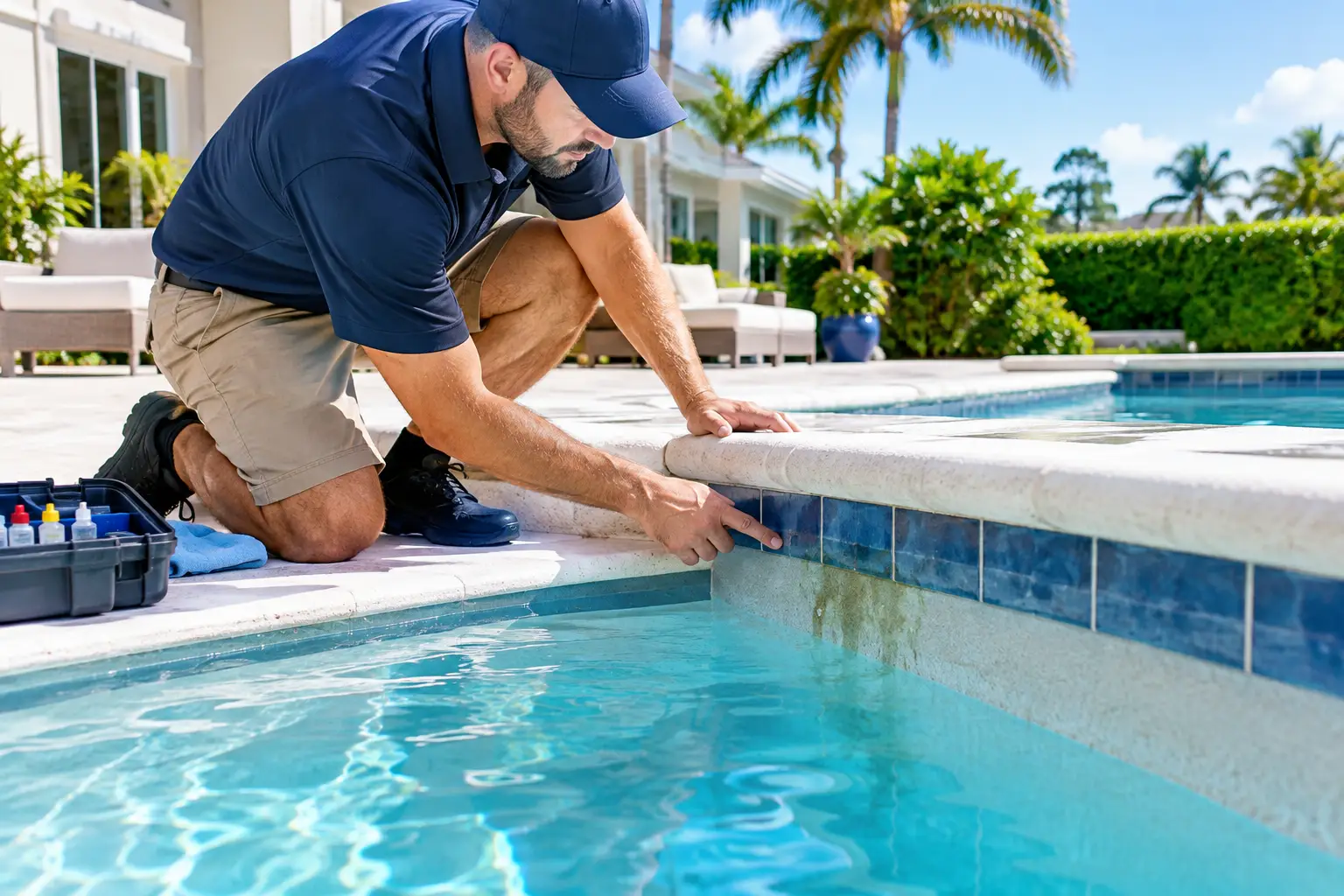
The important distinction is that a saltwater pool is still a chlorine pool. It still needs routine testing, pH management, cleaning, circulation, and seasonal adjustments. In fact, salt systems commonly cause pH to drift upward over time, so ignoring balance can lead to scale formation on tile, heaters, and the generator cell itself.
Salt level also needs to stay within the equipment manufacturer’s recommended range. Too little salt can reduce chlorine production, while too much is not a shortcut to cleaner water. Cell condition, water temperature, pump run time, and system settings all affect how well the generator performs.
For households that use the pool often, a properly sized and maintained salt system can offer convenience and steadier sanitation. For a lightly used pool, it may still be a good fit, but the value depends on the condition of the existing equipment, the pool’s size, and the owner’s maintenance goals. It is an upgrade decision best made with the full system in mind, not chemistry alone.
Stabilizer and Chlorine Balance Get More Attention
Cyanuric acid, often called stabilizer or conditioner, is one of the quieter but more important parts of Florida pool chemistry. It helps protect chlorine from being broken down quickly by sunlight. Without enough stabilizer, chlorine can disappear fast on bright days. With too much, chlorine becomes less effective and algae prevention gets harder.
This is a common example of why “more chemical” is rarely the answer. Some chlorine products add stabilizer each time they are used. Over months, the level can build up if it is not monitored. A pool may test as having chlorine, yet still struggle to stay sanitary because the chlorine is overly buffered by excessive stabilizer.
Professional water testing looks at the relationship between chlorine and stabilizer rather than treating either number as separate. The right target depends on the type of sanitation system, the pool’s exposure to sun, bather load, and the manufacturer guidance for installed equipment. This is also why periodic water evaluation is valuable even when the pool looks perfectly fine.
Automation Is Making Consistency Easier
Pool automation is changing the way homeowners manage chemistry and equipment. Automated controls can schedule filtration, coordinate pumps and heaters, operate water features, and in some setups manage sanitizer production. The practical benefit is consistency: a pool system that runs on a reliable schedule is easier to keep balanced than one that is operated irregularly.
Variable-speed pumps support this trend as well. They can run longer at lower speeds, improving daily circulation while often using less energy than older single-speed equipment. Better circulation helps distribute sanitizer and reduces the stagnant areas where algae can take hold.
Automation does not replace service or testing. Sensors can be helpful, but they need to be interpreted in context, and no system can skim leaves, brush surfaces, spot early equipment leaks, or correct every water issue on its own. The best setup combines smart equipment with regular hands-on attention.
Equipment and chemistry affect each other
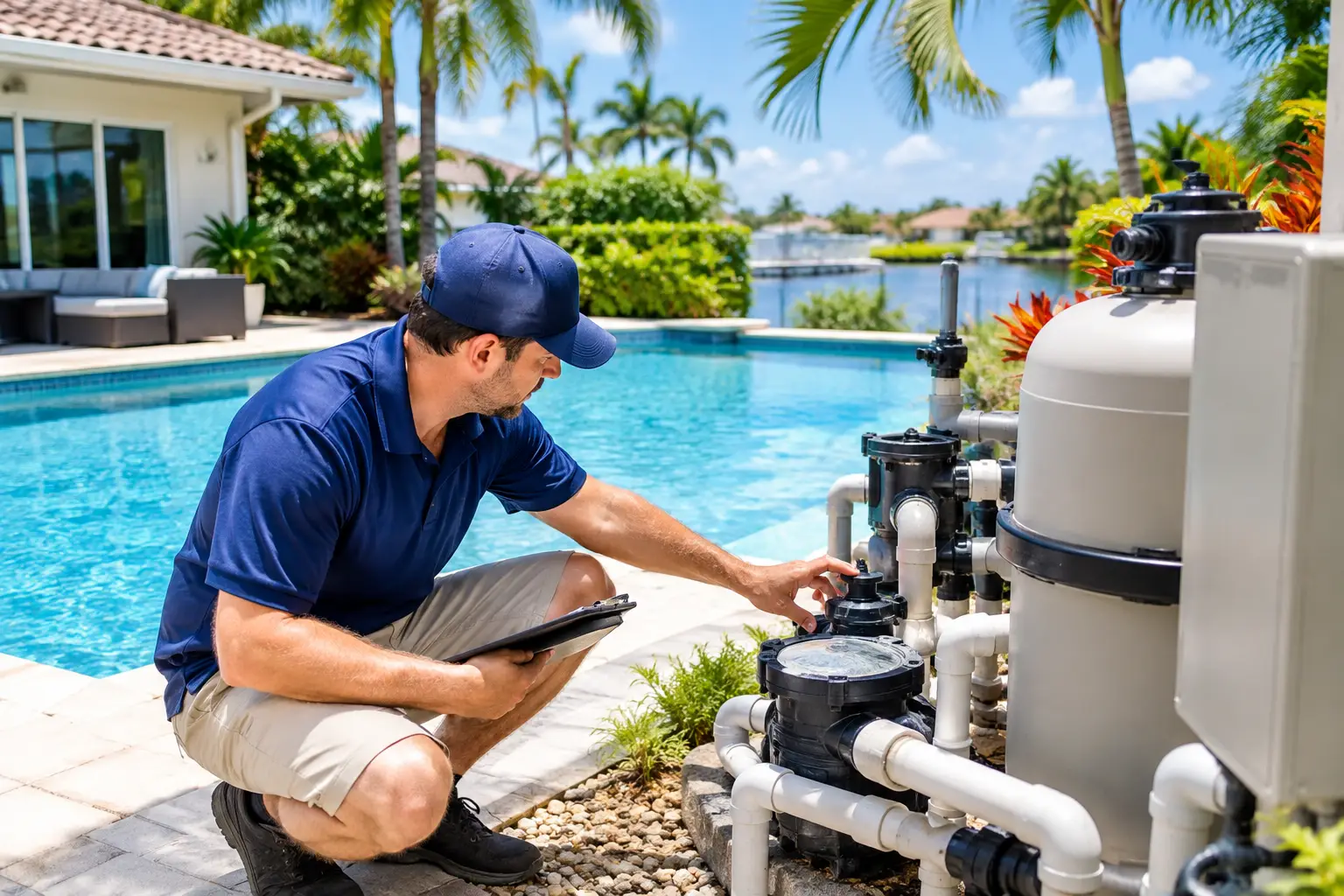
A chemical problem can sometimes be an equipment problem in disguise. A weak pump, clogged filter, failing salt cell, poor circulation pattern, or heater issue can change how a pool behaves. Likewise, poorly balanced water can create scale, corrosion, and premature wear that affects equipment performance.
That connection is receiving more attention as homeowners invest in upgrades. Before assuming a recurring issue needs stronger chemicals, it is wise to consider whether filtration, circulation, or sanitizer production is doing its part. A visual equipment inspection during routine service can catch concerns before they become a disrupted weekend or a larger repair.
Gentle Water Feel Matters, but Balance Comes First
Many homeowners are asking about ways to make pool water feel softer on skin and eyes. Saltwater systems are part of that conversation, along with specialty water enhancers and mineral-based options. Some treatments can improve the feel or appearance of water, but they should not be mistaken for a complete sanitation plan.
The foundation remains adequate sanitizer, balanced pH, proper alkalinity, managed calcium hardness, and good circulation. If those fundamentals are off, an add-on product will not solve the underlying problem. In some cases, extra products can complicate testing or leave behind unwanted residues.
The most comfortable pool water is usually not the water with the most products in it. It is the water that is consistently balanced for the pool’s surface, equipment, sanitizer system, and actual use.
What Homeowners Should Watch Between Visits
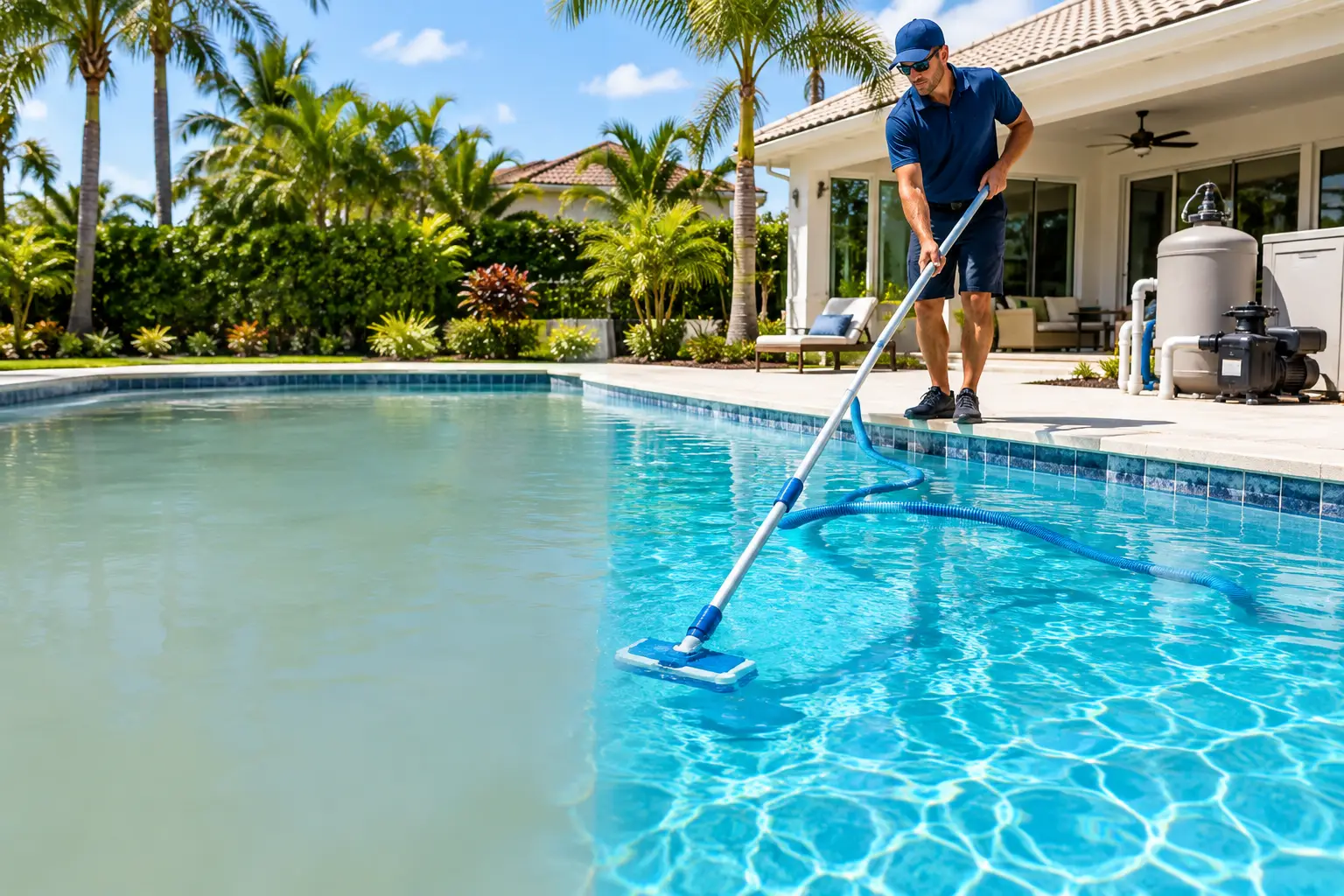
You do not need to manage the chemistry yourself to be an informed pool owner. A few visible changes are worth reporting promptly: cloudy water, a green tint, persistent foam, a strong chemical odor, rough scale on tile, staining, unusual debris, reduced return flow, or equipment that sounds different than usual.
A strong chlorine smell does not necessarily mean there is too much chlorine. It can indicate that chlorine has reacted with contaminants and the water needs professional assessment. Likewise, turning up a salt system or adding products without test results can make a manageable issue harder to correct.
For families in Wellington, Westlake, Royal Palm Beach, Loxahatchee and The Acreage, Avenir, Greenacres, and The Club at Ibis, weather changes can be fast enough that communication matters as much as chemistry. Clear service notifications and visit reports give homeowners confidence that the pool has been checked, cleaned, and treated with attention to what the water actually needs.
The trend worth following is simple: pool care is becoming more measured, connected, and preventative. When testing, cleaning, circulation, and equipment care work together, your pool is far more likely to stay safe, perfectly balanced, and ready when your family wants to use it.