A pool can look clean from across the patio and still be telling you it needs attention. Rough steps, fading color, stubborn stains that return after treatment, or tiny surface cracks can all point to a finish that is reaching the end of its useful life. Pool resurfacing is not a cosmetic shortcut. It is a major reset for the interior surface that protects the pool shell, changes how the water looks, and affects how easily the pool can be maintained afterwards.
For homeowners, the practical question is not simply, “Does my pool look old?” It is whether the current surface is still performing well enough to keep the water comfortable, balanced, and truly clean without creating a cycle of recurring problems.
What Pool Resurfacing Actually Solves
The interior finish of a concrete or gunite pool is exposed to water, chemicals, sunlight, brushing, swimmers, and normal wear every day. Over time, plaster and similar finishes can become etched, porous, discoloured, or rough. A worn finish may hold onto algae and mineral staining more easily, which can make routine cleaning feel less effective even when the water chemistry is properly managed.
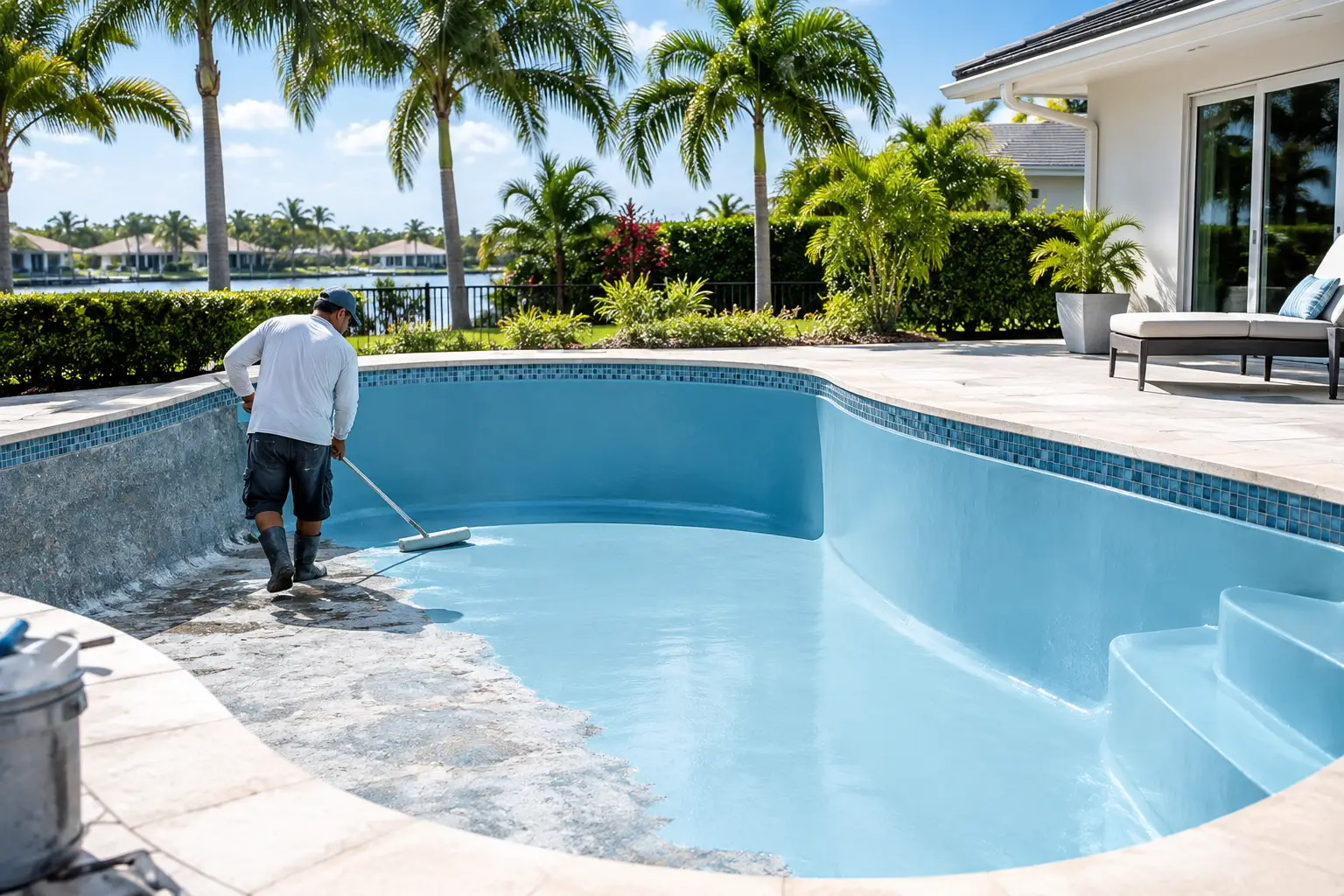
Resurfacing removes the failing finish and replaces it with a new interior surface. Depending on the selected material, that may be a traditional plaster finish, a quartz-based finish, or an exposed aggregate surface. The goal is a sound, smooth, watertight surface that looks right for the home and can be cared for correctly from day one.
It is worth separating resurfacing from stain removal or an acid wash. Those services can improve the appearance of some pools when the underlying finish is still in reasonable condition. They do not repair a surface that has become thin, extensively etched, delaminated, or uncomfortable underfoot. If the finish itself is failing, cleaning alone will not make it new again.
Signs Your Pool May Be Ready for Resurfacing
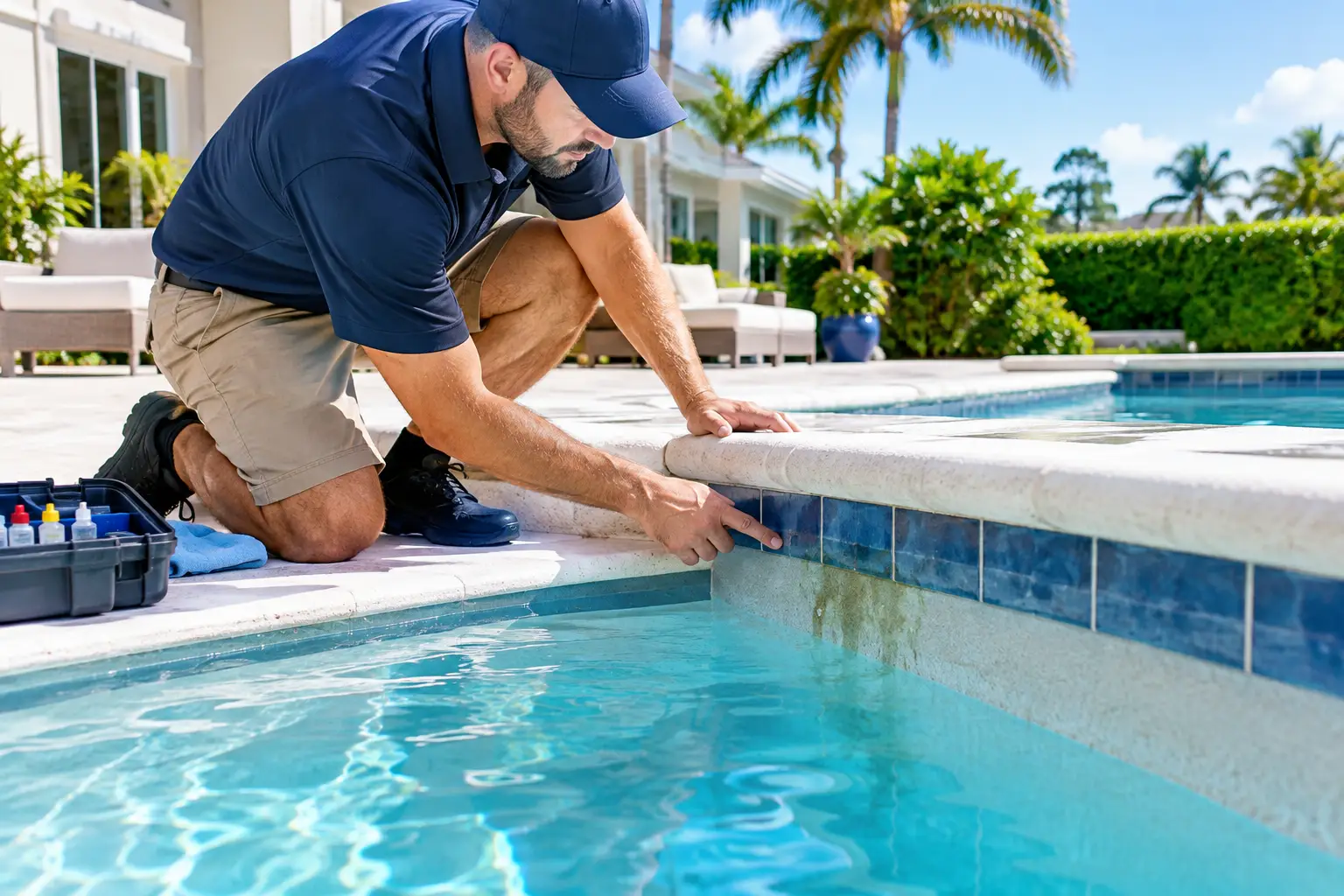
A few isolated stains do not automatically mean a pool needs a new finish. Metals, organic debris, calcium scale, and chemical imbalances can all create stains that deserve a proper diagnosis first. The same is true of a rough patch in one area. A careful inspection helps distinguish a treatable issue from broad surface wear.
Pool resurfacing becomes more likely when several signs appear together. Common examples include widespread roughness, fading or mottled color, recurring stains that resist appropriate treatment, visible cracking in the finish, hollow-sounding areas, peeling, or plaster that is noticeably thinning around steps and fittings. Frequent algae attachment can also be a clue, particularly when water circulation and chemistry have been addressed but the surface remains highly porous.
The age of the finish matters, but it is not the only factor. A pool’s exposure to sun, water quality history, use patterns, and prior maintenance all influence how long a finish lasts. Two pools built in the same year can be in very different condition.
Roughness Is More Than an Appearance Issue
When feet, swimsuits, or pool brushes catch on a rough surface, the finish may be etched or worn. Mild texture can sometimes be expected with certain finish types, especially aggregate surfaces. But a surface that feels sharp, abrasive, or increasingly uneven deserves attention.
Rough plaster is harder to keep clean because its tiny pits and irregular areas give scale, dirt, and algae more places to hold on. That can increase the amount of brushing and chemical correction needed to maintain clear water.
Cracks Need the Right Diagnosis
Hairline cracks in a finish are not always a structural emergency, but they should not be ignored. Some are limited to the surface layer. Others may indicate movement, bond failure, or a more involved shell issue. Before any resurfacing project, the condition of cracks should be evaluated so repairs can be handled appropriately rather than covered over and forgotten.
Choosing a Finish: Looks, Feel, and Maintenance
The finish is one of the biggest decisions in a resurfacing project. It sets the pool’s color and character, but it also affects texture, durability expectations, and the level of care needed during start-up and long-term maintenance.
Traditional white plaster has a clean, classic look and remains a familiar choice. Colored plaster can create a softer blue, grey, or lagoon-style water appearance, though color can be influenced by sunlight, depth, surrounding landscaping, and water chemistry. Quartz finishes generally add hardness and visual variation. Exposed aggregate finishes are often selected for their distinctive appearance and durability, but they may feel more textured than plaster.
There is no single best surface for every home. A family that spends hours in the shallow end may prioritise foot comfort. A homeowner planning a broader patio or backyard update may care most about how the water color coordinates with pavers and landscaping. Budget, desired appearance, and expectations for maintenance should all be part of the conversation.
Whatever finish is selected, the pool’s water chemistry will still matter. Even a premium surface can develop problems early if calcium, pH, alkalinity, and sanitizer levels are not managed carefully.
The Start-up Period Is Part of the Job
A newly resurfaced pool is not finished the moment it is filled. The first several weeks are a controlled start-up period, and how the water is managed during that time has a direct effect on the new surface.
Fresh plaster-based surfaces release materials into the water as they cure. That means pH and other balance factors can shift frequently. Brushing is typically needed to remove plaster dust and support a consistent finish. Circulation, filtration, and carefully measured chemical adjustments all help the pool settle in properly.
This is not the time for guesswork or aggressive chemical additions. Improper chemistry during start-up can contribute to scale, discolouration, etching, or an uneven appearance. A structured 28-day start-up plan gives the surface the attention it needs while helping the water become safe and perfectly balanced for regular use.
Homeowners should also expect the pool to look different as it fills and cures. Water color can vary with weather, depth, light, and the curing process. Early visual changes are not always a sign that something has gone wrong, which is why clear communication and regular observations are so valuable during this period.
Prepare the Equipment Before the New Finish Goes In
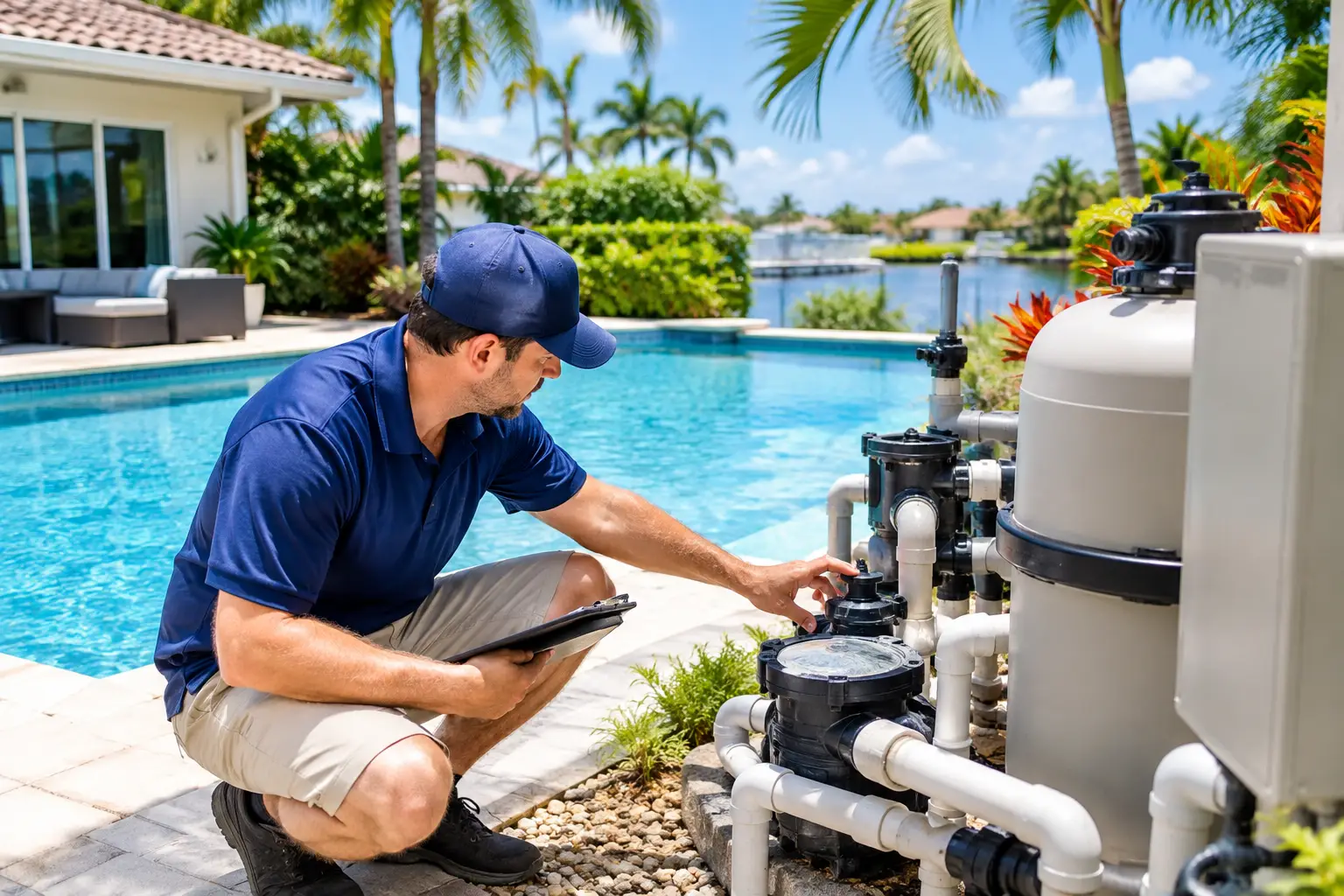
Resurfacing is a sensible time to look closely at the equipment supporting the pool. A new finish deserves reliable circulation, because water movement is central to filtration, chemical distribution, and algae prevention. If a pump is struggling, a filter needs attention, return fittings are damaged, or automation is no longer working as intended, those issues can undermine the results of the project.
This does not mean every pool needs a full equipment upgrade. It means the system should be inspected with the new surface in mind. A practical repair or replacement before start-up may prevent avoidable interruptions later. Saltwater systems, heaters, heat pumps, and automation also need to be operated with the new finish and start-up chemistry in mind.
For residential pool owners in Wellington, Royal Palm Beach, Westlake, and nearby communities, seasonal heat and heavy rain can add another layer of complexity. Warm water encourages algae growth, while rain can dilute chemicals and shift water balance. Consistent monitoring matters even more when a surface is new.
How Ongoing Care Protects a Resurfaced Pool
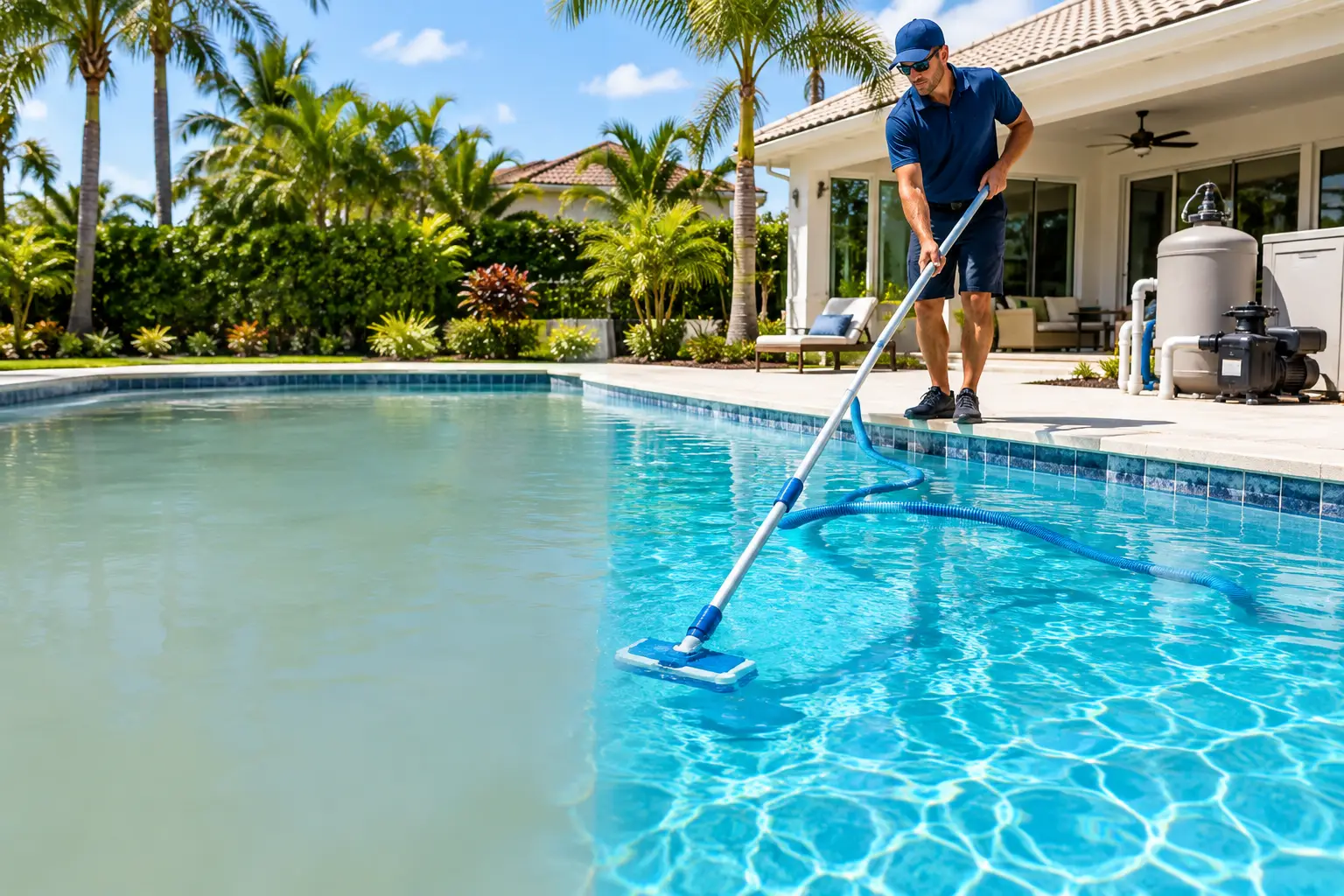
A new finish is a fresh start, not a maintenance-free finish. Weekly service should include skimming, brushing, water testing, and a visual equipment check so small issues do not quietly become expensive ones. Detailed service reports and photographs can be especially helpful after resurfacing because they create a clear record of the pool’s condition and the work completed at each visit.
Balanced water is the long-term protection plan. Water that is consistently too aggressive can etch surfaces. Water that is prone to scale can leave deposits and dull the finish. Poor circulation can create problem areas where debris and algae collect. The solution is not overcorrecting with chemicals. It is measured testing, informed adjustments, and dependable routine care.
Turtle Pool Care supports resurfaced-pool start-ups and ongoing residential maintenance with that same careful approach: practical equipment awareness, chemistry management, and communication homeowners can actually follow. The result is peace of mind, not a mystery about what happened to the pool this week.
If your pool finish is rough, fading, or becoming harder to maintain, start with a professional assessment instead of assuming the answer is always resurfacing. The right next step may be a targeted treatment, a repair, or a new finish with a properly managed start-up. Either way, giving the surface the attention it needs now can help every swim feel better later.